Why Regional Rail, Not Port Dredging, is the Answer for South-East and South-South Trade
Why Regional Rail, Not Port Dredging, is the Answer for South-East and South-South Trade
By Jerry Aguigbo
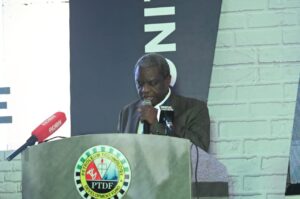
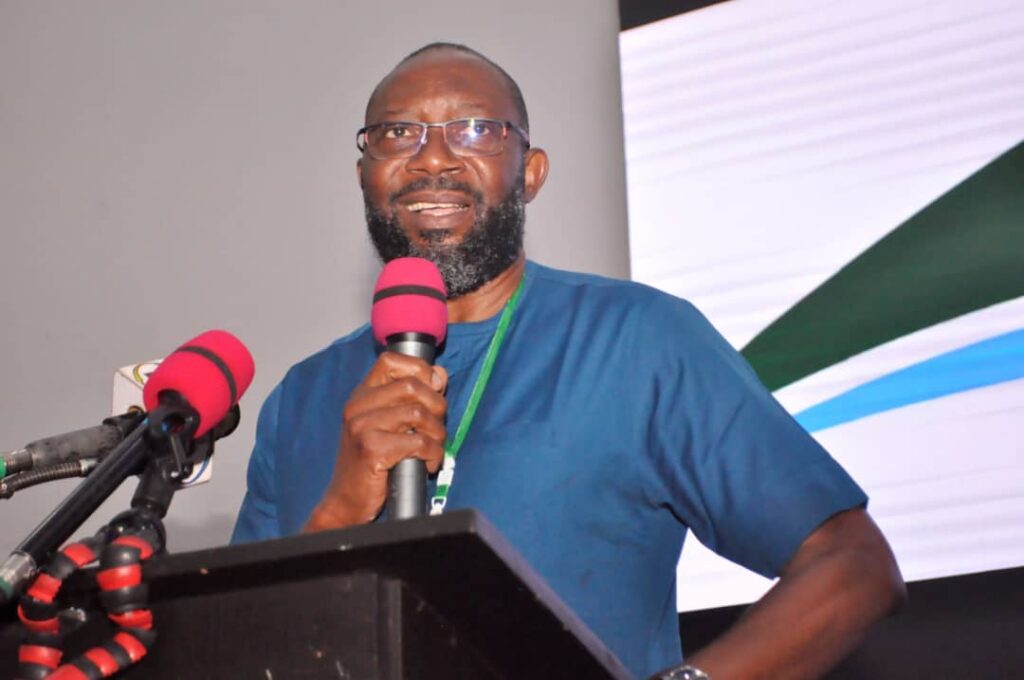
State governments in Nigeria’s South-South and South-East zones must stop working in silos and immediately link their territories to the Standard Gauge Rail network. This call to action was delivered by Capt. Warredi Enisuoh, Executive Director of Operations and Technical at Tantita Security Services Nigeria Limited, during the 2nd JustNet Transport Summit.
Speaking on the theme, “Navigating Global Disruptions and the Road Ahead: Mobility, Energy and Trade Facilitation for a Resilient Future,” Enisuoh dismissed arguments that the Federal Government should prioritize dredging eastern ports. He explained that shallow drafts and a massive network of underwater oil pipelines and communication cables make optimizing these ports unfeasible.
Considering the Realities of Modern Shipping, Enisuoh pointed out that eastern ports are becoming obsolete because they were not built for modern shipping dimensions. While standard ships docking in Lagos require a 10-meter draft to carry roughly 4,500 Twenty-Foot Equivalent Units (TEUs), achieving this depth at locations like the Warri wharf is practically impossible.
Dredging these channels requires expensive embankments to protect coastal communities. Furthermore, it requires complex negotiations with oil majors like Shell and Chevron to relocate the critical underwater infrastructure crisscrossing the channel entrances which have stalled in the past. These exact bottlenecks famously forced the relocation of the Ibaka port project to Ibom.
He noted that global shipping economics further disadvantage smaller ports. Enisuoh revealed research showing that the difference in operational costs between a mega-ship carrying 24,000 TEUs and a minor vessel carrying 4,500 TEUs is a mere $1,000. Consequently, international shippers will always favor massive vessels, leaving shallow regional ports behind.
Funding the Rail Alternative he said, is much more cheaper and feasible.
“With deep-sea port development stalled by structural and environmental limitations, regional rail infrastructure remains the most viable short-to-medium-term solution to take containers off the roads.”
He urged citizens to pressure their state governments to build interconnected state rail lines linking other neighbouring states, pointing out that state governments now possess the financial capacity to do so due to increased federal revenue allocations.
“Increased funding is going to the states, I can confirm this because our operations help secure the revenues, so we see the data,” Enisuoh stated. “There is substantial money in the hands of state governments, and we should pressure them to adopt this model.”
About Post Author