Unprotected Trillions: Why Nigeria’s Sub 1% Insurance Penetration Threatens Entire Economy
Unprotected Trillions: Why Nigeria’s Sub 1% Insurance Penetration Threatens Entire Economy
By Jerry Aguigbo
Nigeria’s booming trillion-naira insurance market is masking a dangerous economic vulnerability, with under one percent of the nation’s Gross Domestic Product (GDP) currently protected by insurance coverage. Despite an impressive 45 percent surge in gross premium skyrocketing from 1.6 trillion naira in 2024 to 2.3 trillion naira in 2025, the vast majority of Nigeria’s economic assets remain completely exposed to catastrophic financial shocks.

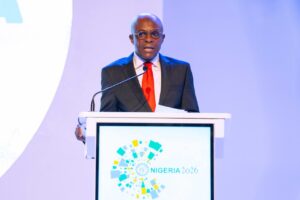
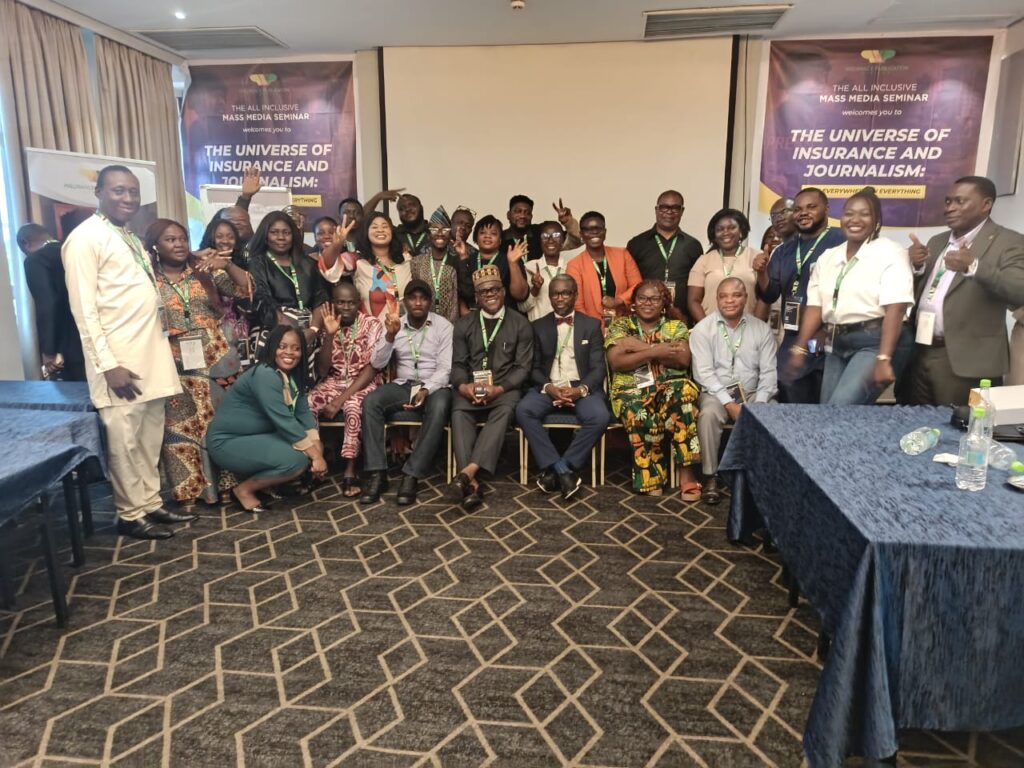
Speaking at the All-Inclusive Mass Media Training on Insurance Awareness, SanlamAllianz Chairman Dr Femi Oyetunji warned that the country’s massive “insurance protection gap” is no longer just an industry problem, but a critical threat to national economic resilience.
A Trillion-Naira Illusion While the figures from the National Insurance Commission’s (NAICOM) latest market performance bulletin point to rapid growth in premium volumes, Oyetunji clarified that this growth has failed to translate into widespread economic safety nets.
“The focus should shift from measuring the size of the insurance industry to determining how much of Nigeria’s economic activity remains exposed to uninsured risks,” Oyetunji stated.
He noted that some key high-risk sectors left highly exposed include Agriculture and Infrastructure, which face severe threats from floods and climate disasters. Manufacturing, Oil & Gas, and Maritime are also vulnerable to equipment failure, business interruption, and liability claims.
At the healthcare level , Oyetunji said the only safety net is Health insurance, without which the citizens may risk being exposed to rising medical emergencies which may end in death and leave families grappling with debts without mitigation.
“When major disasters strike, such as building collapses, factory fires, or widespread flooding, the lack of insurance coverage creates a domino effect. Instead of insurers absorbing the shock, the financial burden is forced onto families, businesses, commercial banks, and already strained government budgets.”
Oyetunji emphasized that true financial planning is broken without a safety net, noting that “wealth creation without wealth protection is incomplete.” The sudden loss of a breadwinner, a serious accident, or property destruction routinely wipes out years of personal savings for average Nigerian families.
The Trust Deficit he says has been one major issue for lack of penetration in Nigeria. According to him, the 0.5 percent GDP ratio which ranks Nigeria’s insurance penetration way below countries like Zambia, Kenya and South Africa is not acceptable, Nigeria should do better with the help of the media to get a better penetration.
While the newly enacted Nigerian Insurance Industry Reform Act (NIIRA) 2025 introduces vital frameworks for capital solvency, risk-based supervision, and digitization, experts argue that laws alone will not fix the sector.
To bridge the gap and build genuine public confidence, Oyetunji stressed that insurance companies must eliminate complex jargon, provide tangible value, and most importantly settle legitimate claims fairly and promptly.
He also challenged the media to hold the industry accountable by aggressively investigating enforcement and claims settlement speeds following major public disasters.
” The media has a very big role to play because journalists can identify the dimension in every risk or situation, hold insurance for claims and conduct .”
About Post Author